ServicesRoof Leak Repair
Roof Leak Repair in Seal Beach, Traced Past the Old Patches
A stain on the ceiling rarely sits right under the spot that caused it. We follow the water back along the decking, past earlier patches and tired flashing, until we find where it actually gets in. Then we repair that point properly and show you what we found.
When a leak repair is the right call
Most leaks come from a single weak point: a cracked pipe boot, a lifted shingle, or flashing that has pulled away from a wall or chimney. If the rest of the roof is sound, fixing that one point is the sensible move, and it costs far less than new roofing.
Older houses make the search harder. Over the decades a roof collects repairs, like roofing cement smeared over flashing, a second layer of shingles, or a skylight added by a previous owner. Water can run under any of these and surface several feet away. We open only what we need to, read the layers, and trace the path back to where it starts.
Now and then the inspection shows a roof that is worn out from edge to edge, with brittle shingles and flashing failing in several places. Patching one spot on a roof like that only moves the problem, so we say so and walk you through what roof replacement would involve. When the roof still has good years in it, we fix the leak and leave the rest of your home alone.
What a leak repair from us includes
- Following the water
- If we can get into the attic, we start there, checking for stained decking, damp insulation and light showing around nails. We then compare that with what we find on the roof directly above.
- Flashing and roof openings
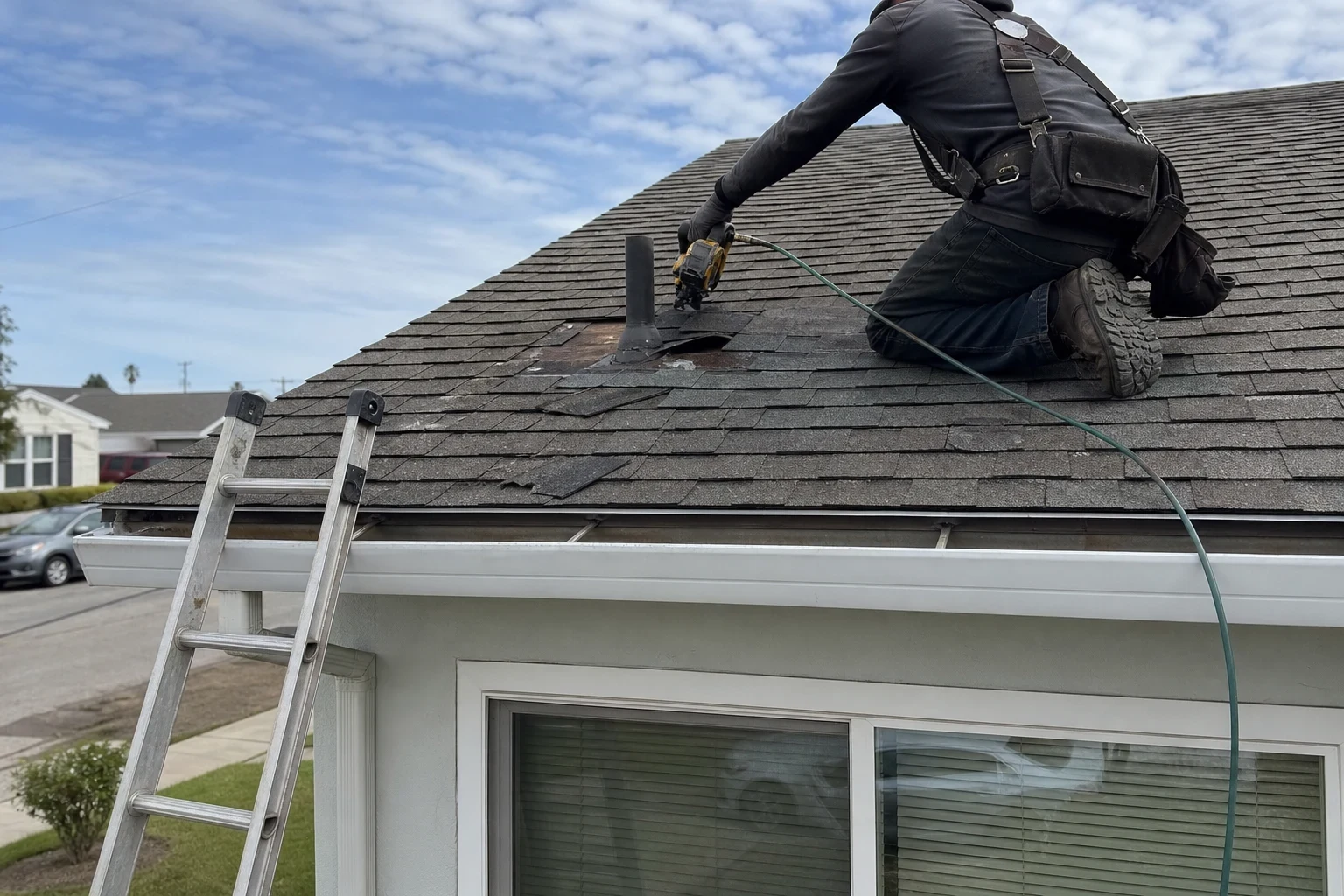
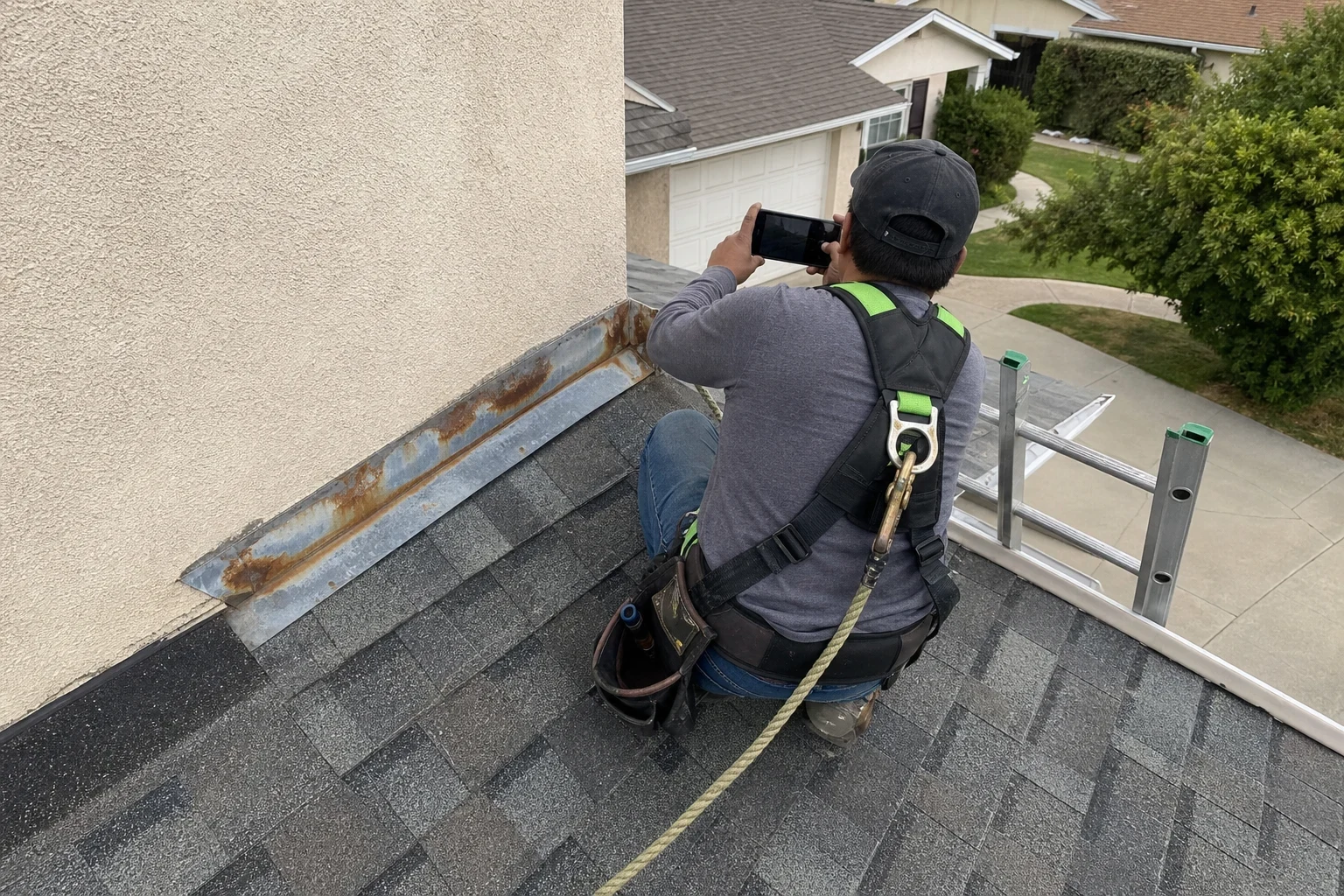
- Most leaks start at chimneys, vent pipes, skylights and the places where the roof meets a wall. We swap out rusted or loose flashing and cracked pipe boots rather than piling more sealant on top. Coastal salt air wears hard on older galvanized metal, so we look it over carefully.
- Removing failed patches
- Built-up roofing cement holds in moisture and conceals rot. When an old repair is giving way, we strip it back to solid material and rebuild that spot the right way.
- Decking and underlayment
- When water has softened the plywood or old plank boards, we cut in new wood and put down fresh underlayment before sealing the roof again.
- A repair that matches
- For shingle roofs, we match color and profile as closely as today's products allow. For tile roofs, we take up and reset the tile and replace the underlayment beneath, which is where tile roofs usually leak.
- Photos and a written recap
- We give you photos of what caused the leak and of the completed repair, so you understand why it happened and not just that it was fixed.
Clues that water is getting through your roof
Stains on ceilings or walls
Brown rings or bubbling paint, particularly ones that spread after a rain, tell you water is reaching the drywall. The actual source may sit well uphill of the stain.
A musty, damp attic
A stale smell, dark decking or flattened insulation can mean a slow leak that hasn't reached the rooms below yet.
Drips once the rain comes back
A roof that stays dry through summer can start leaking with the first winter rains. Jot down where and when you see water; it helps us narrow down the source.
Rusty or open flashing
Rust streaks, raised metal or cracked sealant at chimneys and vents are frequent entry points on older roofs.
The same leak returning
When a spot that was already patched gets wet again, the earlier fix probably addressed the symptom. We run into this more than almost anything else.
How a leak repair visit goes
- 1
A call and an inspection
Tell us where you have seen water and when. We set a time to come out, look at the attic and roof, and explain what we find before anything is priced.
- 2
A written estimate
You get a free written estimate describing the cause, the repair and what it includes. Any other issues we notice are listed separately, so you can decide what to handle now and what can wait.
- 3
The repair day
We protect plantings and walkways below the work area, open the roof only where needed and make the repair with materials suited to your roof type. Most single-point leak repairs are finished in one visit.
- 4
Cleanup and photos
We clear debris, sweep for nails and send you photos of the finished work. After the next good rain, check the spot and let us know if anything looks off.
What changes the price of fixing a leak
The cost hinges on what the leak turns out to be, so we inspect before giving a price. A loose pipe boot is a quick fix, while rotted decking under years of patching is a bigger job. Your written estimate breaks out every part so there are no surprises later. Financing is available through Service Finance Company, subject to credit approval.
- Where the water gets in
- Chimney or skylight flashing needs more time and material than one vent boot or a few shingles.
- Type of roofing
- Tile must be lifted and set back by hand, and flat roofs use different membranes and details than shingle roofs do.
- Hidden damage below
- Once the roof is open, wet or rotten decking, old plank sheathing and soaked underlayment can add material and labor.
- Past patch jobs
- Stripping off layers of old cement or a failed patch takes extra time, but it is often the only way to get a repair that holds.
- Slope and access
- Steep pitches, second stories and narrow side yards affect the setup and the safety gear the job calls for.
Common questions about fixing roof leaks
Something not covered here? (562) 580-4038
Does a single leak mean I need a new roof?
Usually not. One leak typically comes from one part that has failed, and replacing that part takes care of it. While we are on the roof, we also check how the rest of it is holding up, and if the shingles or underlayment are worn throughout, we say so directly. Your written estimate covers both options, and the decision is yours.
Someone already patched my leak. Why is it back?
Most likely the patch went where the water appeared, not where it got in. Sealant spread over flashing also wears down in the sun and has to be redone every few years. We find the path first, then replace the part that failed rather than covering it.
Is a roof leak covered by homeowners insurance?
That depends on what caused it. Sudden damage, such as from wind or a fallen branch, is often covered, while gradual wear typically isn't. We photograph what we find and work directly with your insurance claim if you have one, but the adjuster decides on coverage.
What can I do before you get here?
Move furniture and rugs out from under the drip and set a bucket or tub to catch it. If water is pooling in a sagging ceiling, poking a small hole at the lowest spot lets it drain in one place instead of spreading through the drywall. Stay off the roof yourself; wet shingles and tile are slippery, and a fall is much worse than a leak.
Find out where the water is coming from
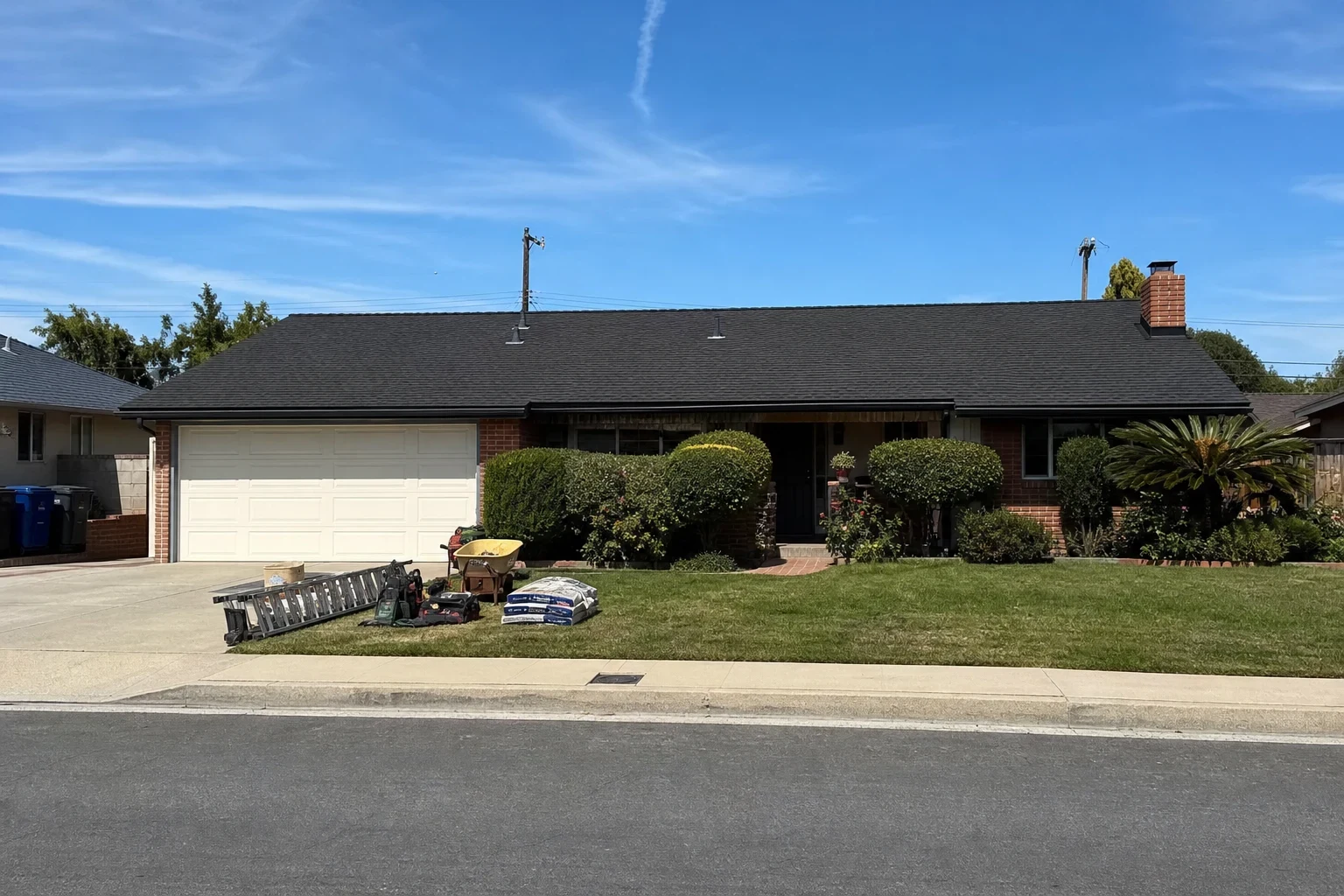
Reach us by phone to set up a free roof inspection. We will trace the leak, show you what we find and give you a written estimate before any work begins, in Seal Beach and nearby towns like Los Alamitos, Rossmoor and Long Beach.