ServicesTile Roofing
Tile Roofing in Seal Beach
A tile roof rarely fails because of the tile. It fails underneath, where old underlayment, rusted flashing and past patches sit out of sight. We repair, relay and install clay and concrete tile roofs, and we save the tiles that still have decades left in them.
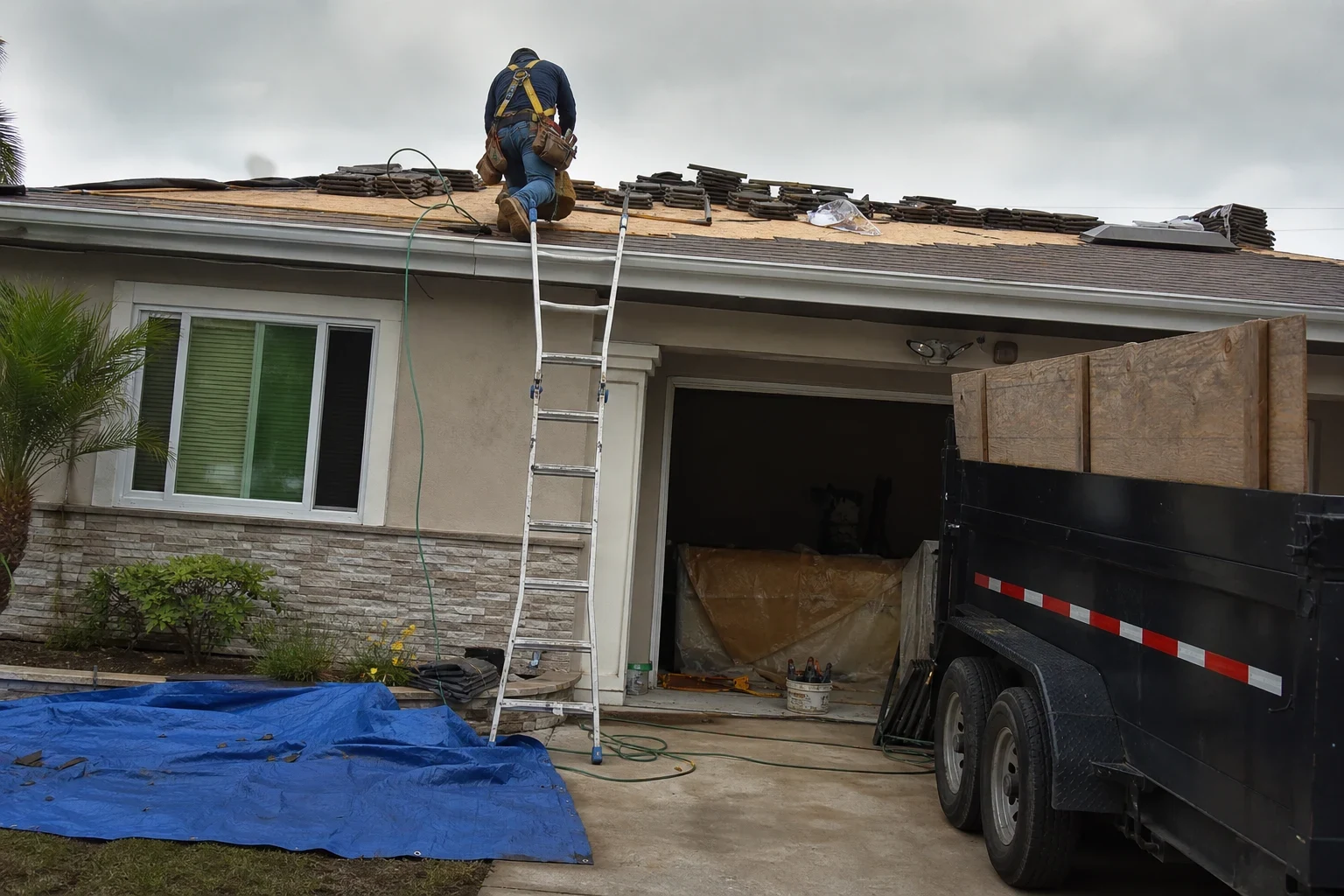
What Goes Into Tile Roof Work
Clay and concrete tile often outlive several generations of the materials beneath them. On many older tile roofs, the felt underlayment was never built to last as long as the tile, and once it dries and cracks, any water slipping between tiles has nothing left to block it. That is how a tile roof can look flawless from the street and still leave a stain on the ceiling.
Older homes also show traces of past work: tiles stuck back down with mortar, replacements that don't match, roof cement spread over flashing and ridge caps that have drifted. We separate what is solid from what was pieced together, then give you a plain answer on whether a repair, a relay on new underlayment or a full replacement fits your home.
What Our Tile Work Covers
- Broken and slipped tile repair
- We replace cracked tiles, reset ones that have slid out of place and fasten them properly. Where your profile is no longer made, we look for salvaged matches or borrow tiles from a hidden slope.
- Lift and relay
- We lift the tile, stack it on the roof, replace the underlayment and battens, and set the same tile back down. You keep the look of your home and get a new waterproof layer beneath it.
- Flashing and valley metal
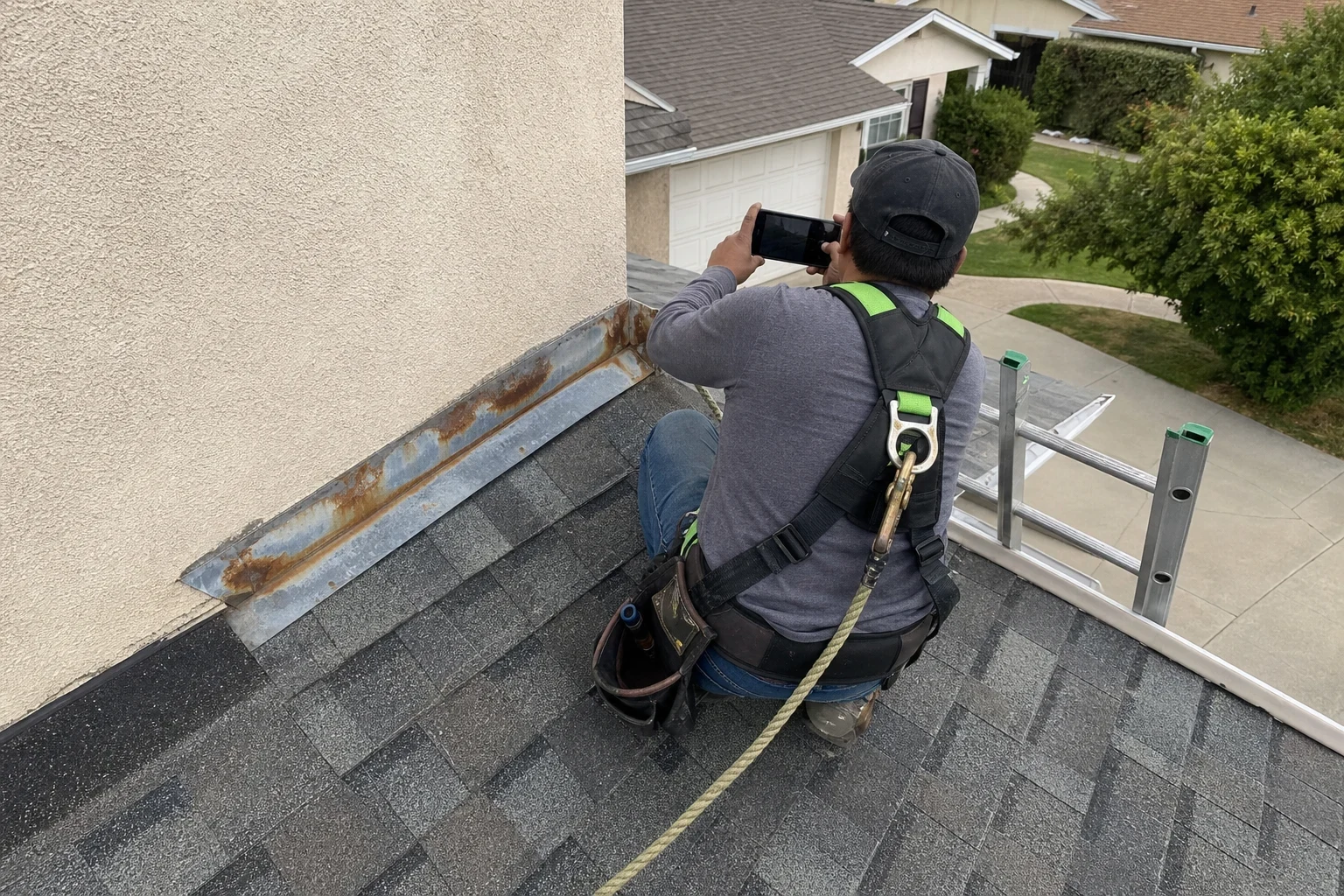
- Chimney, wall and valley flashing often corrodes long before the tile wears. Near the coast, salt air speeds that up, so we replace tired metal rather than coat it over.
- Ridge, hip and eave details
- We rebuild loose ridge and hip lines, replace worn bird stops and eave closures, and make sure the edges are sealed against pests and wind-driven rain.
- New tile installation
- When the old tile is past saving, we install new clay or concrete tile on a fresh deck, underlayment and fastening system, with ventilation planned for the attic below.
Signs Your Tile Roof Needs Attention
Ceiling stains with no visible damage
If the tiles look fine but a stain keeps spreading, the underlayment is the usual suspect. Rain is getting past the tile and finding a worn spot below.
Cracked or missing tiles
Foot traffic from satellite installers, painters or past roofers breaks tiles more often than weather does. Each gap exposes the layer underneath to sun and water.
Patches of roof cement
Gray or black cement around vents, walls and ridges points to old quick fixes. It hardens and splits over time, and it often hides rusted flashing.
Sagging lines or uneven rows
Wavy courses can mean rotted battens or a soft deck. On an older roof this is worth checking before it spreads.
A roof of a certain age
If your tile roof has never been relaid and the house has a few decades behind it, the original underlayment is likely near the end of its life even without a leak.
What Drives the Price of a Tile Job
Tile work varies in price more than most roofing because it depends so much on what lies beneath the tile and how much of the current tile can go back on. Once we have seen the roof, every item is priced on a written estimate. Financing is available through Service Finance Company, subject to credit approval.
Repairing, relaying or replacing
Changing out a handful of broken tiles is a modest job. A relay means taking up every tile, and new tile brings material cost on top of the labor.
How much of your tile is reusable
Older clay and concrete tile can often be used again. The more broken pieces we find, or the tougher your profile is to match, the higher the price.
Condition of battens and decking
Rotten battens or soft sheathing have to be replaced before the tile goes back on. We show you photos of any we find before it becomes part of the job.
Roof layout and access
Steep slopes, multiple valleys, chimneys and two-story walls take more time and more flashing. Narrow side yards also change how tile is carried up and brought down.
The Steps of a Tile Roof Job
- 1
Inspection with photos
We move across the roof with care, stepping only where the tile can bear weight, and look in the attic if it is reachable. You receive photos of our findings and a free written estimate.
- 2
Sorting out the tile
We tally the tiles that can be reused, flag any profile that has to be matched and line up replacements before the work begins. If the job needs a permit, we pull it.
- 3
Guarding your property
Plantings and walkways are covered with tarps, and the tile we lift is stacked around the roof to keep the load spread out. At the close of each work day, your home is covered.
- 4
New underlayment, flashing and tile
Fresh underlayment, battens and flashing are installed, and then the tile goes back in straight rows with the ridge and eave details rebuilt.
- 5
Cleanup and final look
We pick up broken pieces and debris, sweep for nails and walk you through the completed roof, along with photos of the work now covered by the tile.
Common Questions About Tile Roofs
Nothing looks wrong with my tiles. Why would the roof need work?
Tile protects the roof from the outside, but it is not what keeps water out. On a lot of older tile roofs, the underlayment below has dried and cracked. An inspection tells you whether yours still has some life left or has begun to leak.
Is it possible to reuse the tile I already have?
In many cases, yes. Clay and a lot of concrete tile can come up and go back down on fresh underlayment. We sort the good tiles from the cracked ones and match replacements as closely as possible.
My tile isn't made anymore. What then?
We hunt for salvaged tile in the same shape and color. When none turns up, we can shift original tiles to a front slope and put the nearest new match on a side that is less visible.
Does walking on tile damage it?
Careless footsteps do. We put our weight on the lower, supported end of each tile and stay off the unsupported areas. A good share of the broken tile we replace was cracked by other trades walking the roof.
Is damaged tile covered by insurance?
That comes down to your policy and what caused the damage. We work directly with your insurance claim and record the damage with photos and measurements, and your adjuster decides on coverage.
Find Out What Is Under Your Tile
We will look over your tile roof, photograph what we find and give you a written estimate with an honest repair, relay or replace answer.